The One Transitional Layer That Outperforms Everything Else in Your Wardrobe
Quick Answer: The overshirt - a shirt-weight jacket, sometimes called a shacket - is the highest-utility transitional piece because it works open or closed, layers over almost any base, adds structure at the shoulder, and packs down when the afternoon turns warm. A cardigan is more comfortable but adds no structure; a jacket adds structure but is too warm at midday. The overshirt sits precisely in between, which is exactly what the next six weeks require.
You are dressing for a 10-degree swing every day. Most wardrobes solve it by carrying a jacket that is wrong at both ends of the day.
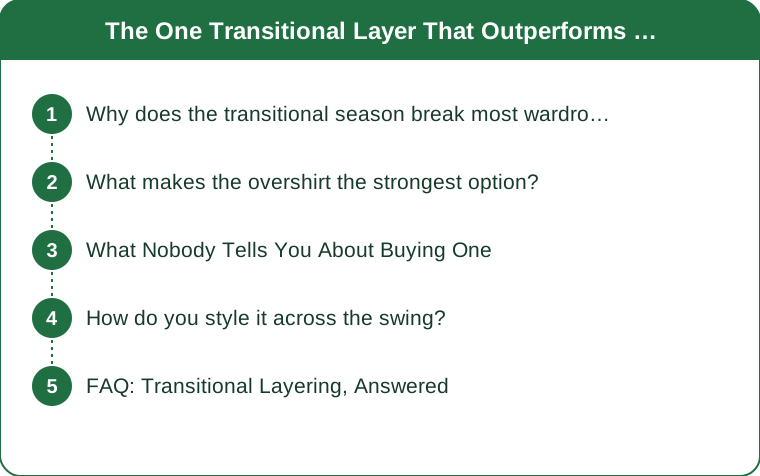
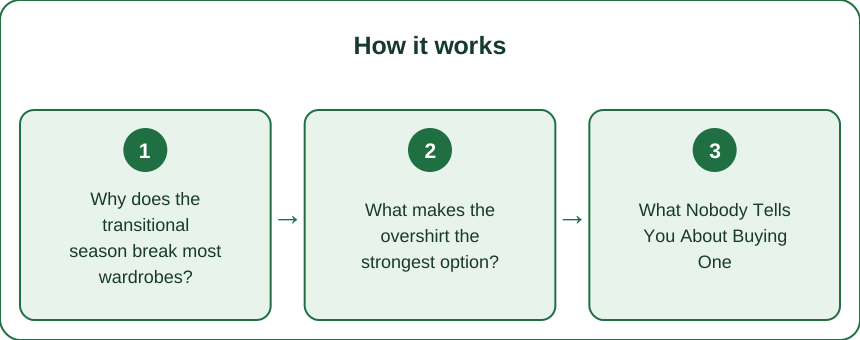
Why does the transitional season break most wardrobes?
The temperature gap within a single day is larger than the gap between seasons. A 16-degree morning and a 26-degree afternoon asks a single outfit to work across a range no individual garment covers well.
Summer pieces have no insulation and winter pieces have too much. The wardrobe is well equipped for both extremes and almost entirely unequipped for the middle, which is a genuinely large portion of the year.
Removable layers create a carrying problem. Anything you take off, you carry - so the practical value of a layer depends heavily on how it behaves once removed. A wool coat over your arm ends the outfit; an overshirt does not.
Structure is what makes an outfit look finished. Soft draped layers over soft draped bases read as underdressed regardless of quality, which is why the cardigan alone frequently disappoints.
And indoor and outdoor temperatures diverge in opposite directions. In August, indoors is colder than outdoors; by November it is the reverse. The transitional weeks contain both patterns on different days, which is why one fixed solution fails.
What makes the overshirt the strongest option?
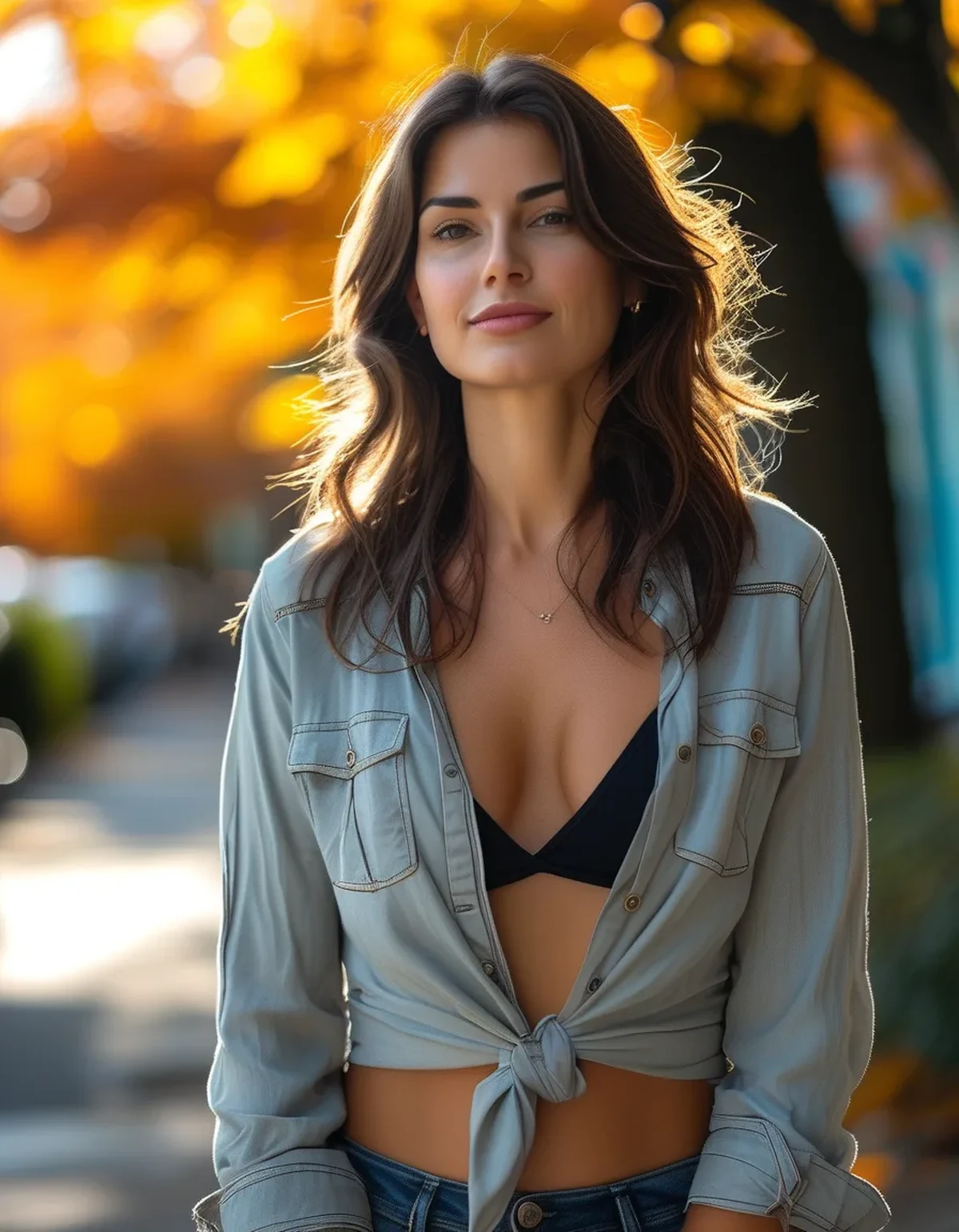
It works open and closed, which doubles its range. Open it is a light layer with structure; closed it is a genuine jacket for a cool morning. Almost no other single garment does both convincingly.
It adds structure at the shoulder. A collar and a defined shoulder line is what makes an outfit read as considered, and it is exactly what a cardigan lacks.
It layers in both directions. Over a tee, a vest, or a fine knit, and under a coat once the weather turns properly - which extends its use well past the transitional weeks.
It handles being carried. Cotton, cotton-linen blends, and brushed cotton twill all tolerate being rolled into a bag and recovering, which is the practical test that decides whether you actually bring it.
It suits almost every silhouette underneath. Over leggings, over jeans, over a dress, over wide trousers. Very few pieces are that indiscriminate.
And it works in both directions on the dress code scale. A well-cut overshirt in a plain colour reads as smart-casual in an office and entirely relaxed at a weekend, which is a rare property.
What Nobody Tells You About Buying One
Nobody tells you the fabric weight decides everything. Too light and it does nothing at 16 degrees; too heavy and it is unwearable by two in the afternoon. A mid-weight cotton or cotton blend is the version that actually gets worn - the heavy wool ones photograph beautifully and stay on the hook.
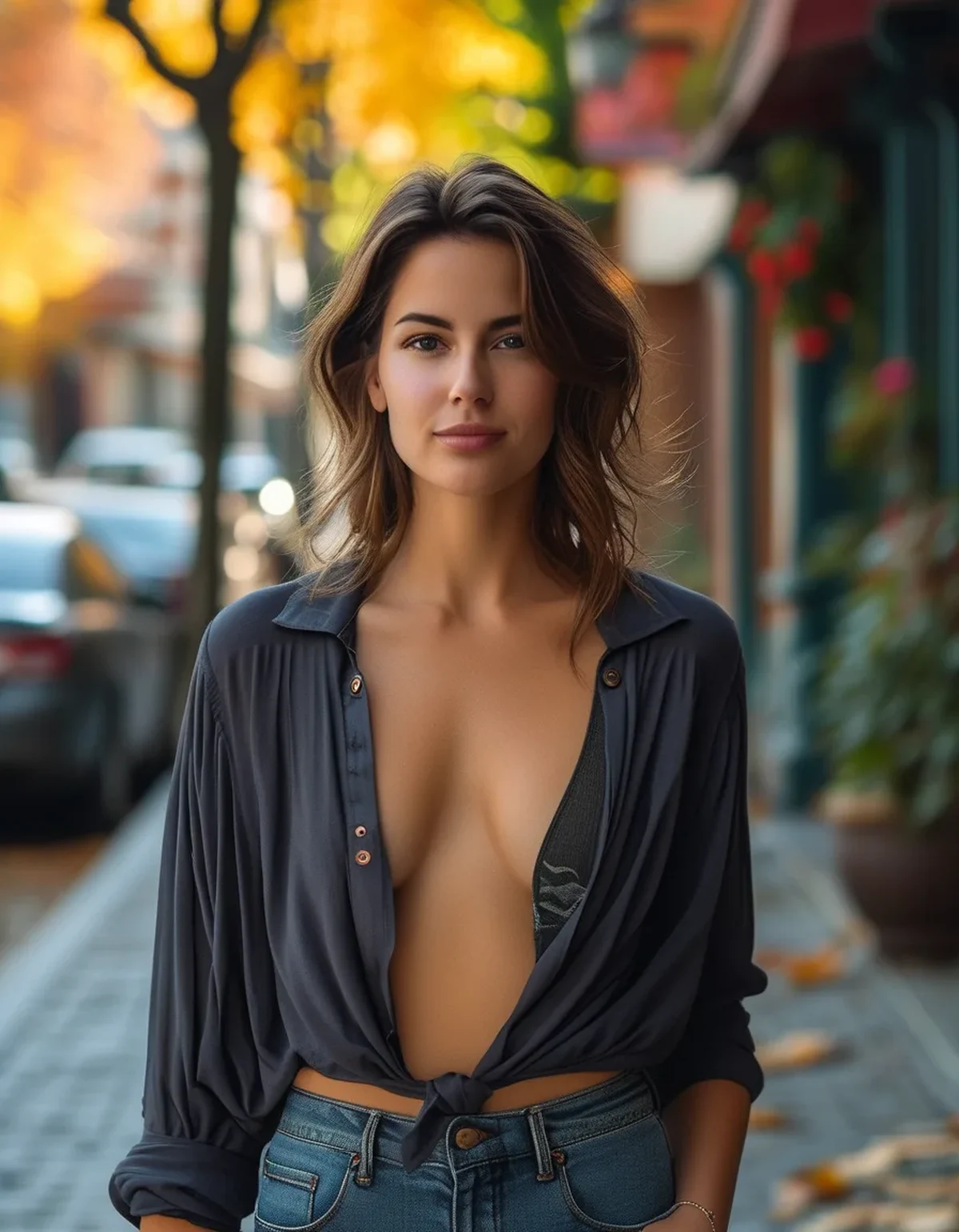
Nobody tells you to size up deliberately. An overshirt that fits like a shirt cannot layer over a knit, which removes half of its purpose. It should comfortably accommodate a fine knit underneath without pulling across the back.
Nobody tells you the length matters for proportion. Hip length works over almost everything; anything longer competes with dresses and longer tops and starts to need styling rather than just being thrown on.
Nobody tells you that plain outperforms pattern here. A checked overshirt is a specific look you will wear with a narrower range of things. A plain one in a neutral or a muted colour goes with everything you own, which is the entire point of a workhorse piece.
Nobody tells you the pockets get used. Chest and hip pockets on a layer you wear open take a phone, keys, and a card, which frequently removes the need for a bag on short trips - a genuinely underrated feature.
And nobody tells you it replaces three things. Most people who add one find it displaces a denim jacket, a cardigan, and a light coat from the rotation, which is the argument for spending a bit more on one good one rather than buying all three.
How do you style it across the swing?
Morning: closed, over a fine knit, with a scarf. This handles a genuinely cool start without committing to a coat.
Midday: open, sleeves pushed up, over a tee. The most-used configuration and the one that looks most deliberate.
Afternoon: off, rolled into the bag or tied at the waist. Tied at the waist reads as intentional in a way a carried coat never does.
Evening: back on, closed, with a longer sock or a boot. The same piece that was too warm at two is correct again at seven.
Keep the base fitted whenever the overshirt is loose. One structured loose layer over one fitted base is the formula that stops any of this looking bulky.
And repeat a colour between the base and the overshirt if you want the outfit to read as considered rather than assembled - a shared tone does most of the work with no extra effort.
FAQ: Transitional Layering, Answered
What is the best layer for autumn transition weather?
A mid-weight overshirt, because it works both open and closed, adds structure at the shoulder, layers over most bases and under a coat later, and survives being rolled into a bag when the afternoon warms up.
Overshirt or cardigan - which is more useful?
The overshirt for versatility, since it adds structure and functions as a light jacket. The cardigan is more comfortable and better for indoor cold, but soft-over-soft layering tends to read as underdressed.
What size should I buy?
Size up from your shirt size so it comfortably fits over a fine knit without pulling across the back. An overshirt that only fits over a tee loses half of its usefulness by October.
What colour is most versatile?
Plain and neutral, or a muted colour that relates to the rest of your wardrobe. Checks and bold patterns are a specific look with a narrower range of partners, which is the opposite of what a workhorse layer should be.
TL;DR:
- The overshirt is the highest-utility transitional piece because it works open or closed and layers in both directions.
- Mid-weight cotton or cotton blend is the version that actually gets worn - heavy wool ones stay on the hook.
- Size up so it fits over a fine knit, keep it hip length, and choose plain over pattern for maximum range.
- Keep the base fitted whenever the layer is loose, and repeat a colour between them so it reads as considered.
- It typically displaces a denim jacket, a cardigan, and a light coat - which justifies buying one good one.
One piece, four configurations, and a 10-degree swing that stops being a daily problem.
Keep Reading
This article is for general informational purposes only and is not medical advice. It is not a substitute for professional diagnosis or treatment. Always consult a qualified healthcare provider about your individual situation, especially before making significant changes to your diet or exercise routine.