The Line Between Athleisure and Gym Clothes - Where It Sits
Quick Answer: The dividing line is fabric finish and structure, not shape. Shine, mesh panels, visible logos, and athletic shoes push an outfit toward gym; matte fabric, one structured piece, and a non-athletic shoe pull it toward clothes. Change two of those four and the same leggings read completely differently.
Everyone has had the experience of feeling put together in an outfit one day and feeling like they forgot to get dressed in almost the same one the next. The variable is usually not the leggings. It is the two or three signals around them.
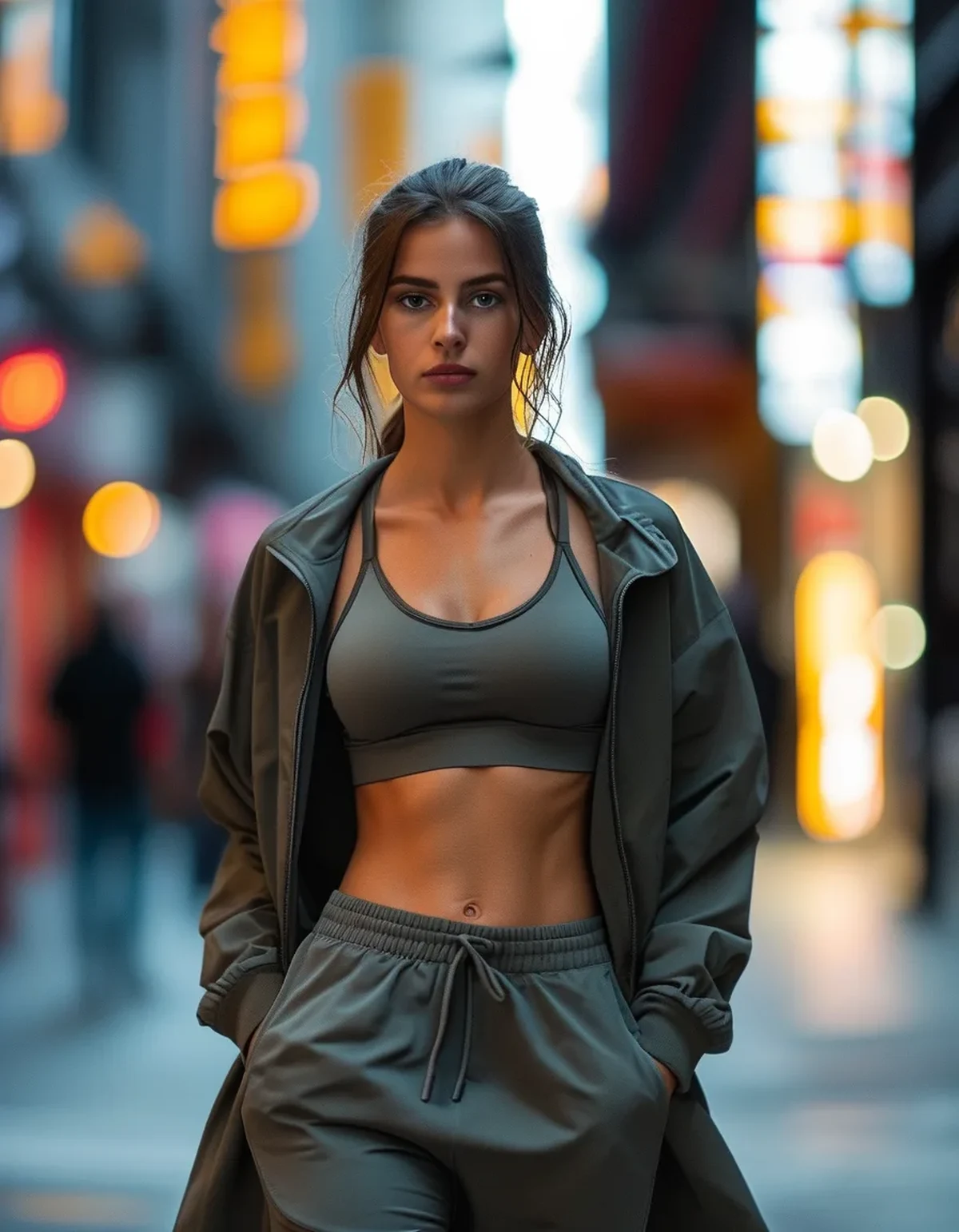
What actually signals gym versus clothes?
Four signals, roughly in order of strength.
Fabric finish. Shine is the single loudest signal. A high-sheen performance fabric announces its function from across a room; the identical garment in a matte finish does not. If you change one thing, change this.
Visible technical features. Mesh panels, laser-cut ventilation, reflective strips, contrast stitching, and large logos are all designed to communicate athletic function, and they do it very effectively whether or not you want them to.
The shoe. A mesh running shoe pulls an entire outfit toward the gym regardless of everything above it. A leather sneaker, loafer, or boot pulls it the other way just as strongly. The shoe carries more weight than any other single item.
Structure somewhere in the outfit. One structured piece - a blazer, a shirt jacket, a stiff trench, a bag with a defined shape - reads as intentional. An outfit with zero structure anywhere reads as loungewear even if every individual piece is expensive.
Notice what is not on the list: the silhouette. Leggings, bike shorts, and joggers are all perfectly capable of reading as clothes. What tells people otherwise is the finish and the company they keep.
How many signals do you need to change?
Two. That is consistently enough to move an outfit across the line.
The easiest pair to change is shoe plus one structured layer. Leggings, a plain top, a leather sneaker, and a blazer read as an outfit. The same leggings and top with running shoes and a zip hoodie read as a workout.
The second-easiest is fabric finish plus bag. Matte leggings and a structured bag do most of the work by themselves, particularly with an oversized knit.
What does not work is changing one signal and expecting it to carry. A blazer over a shiny mesh-paneled legging set with running shoes is a blazer over gym clothes, and everyone can see the blazer trying.
There is a useful test: look at the outfit in a photo rather than a mirror. A photo flattens it into the same silhouette other people see, and the technical details that your eye skips over in the mirror become obvious immediately.
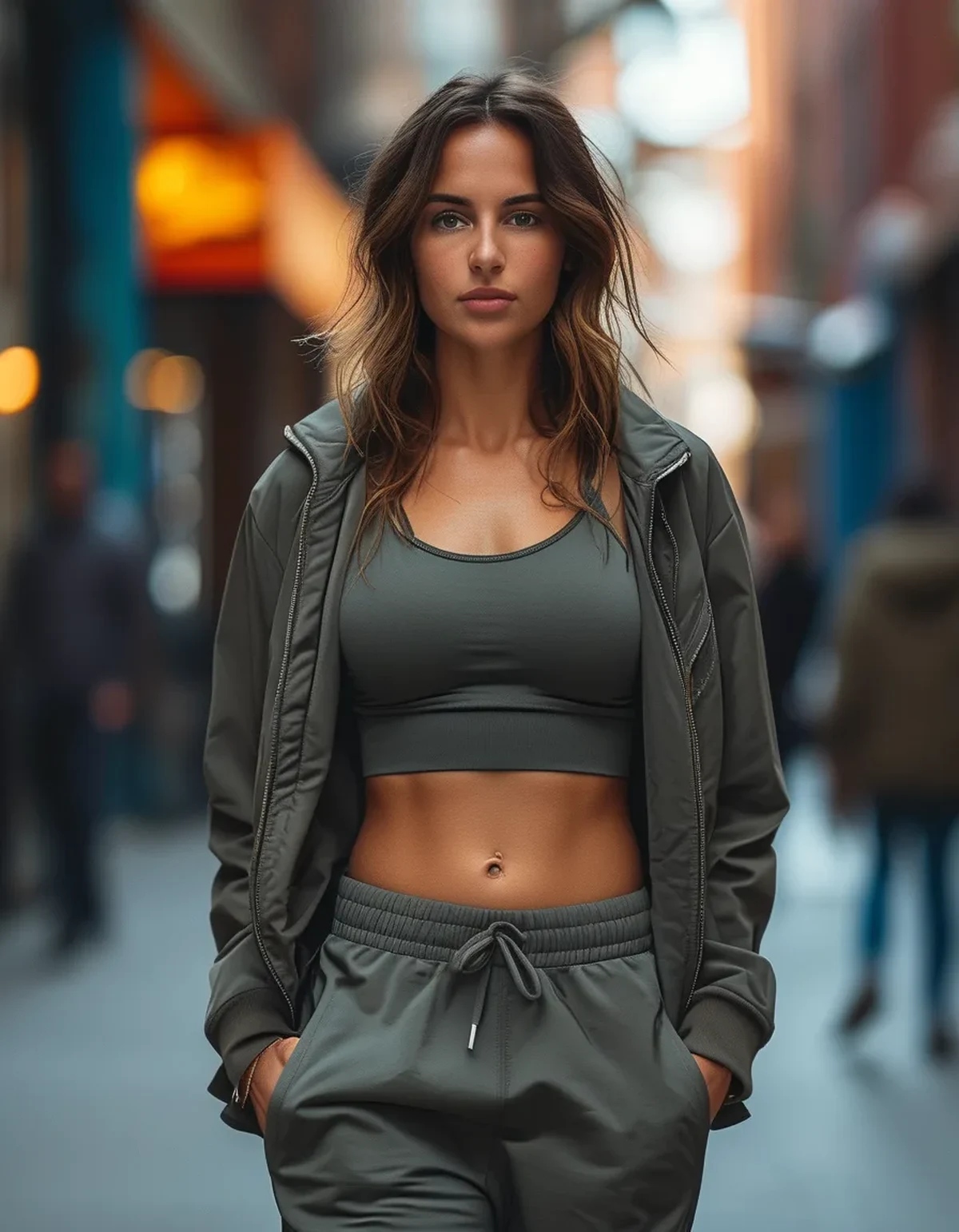
What Nobody Tells You About Athleisure
Fit does more than price. A well-fitting inexpensive matte legging reads better than an expensive one that has lost its recovery. The most common reason athleisure looks worn out is fabric fatigue, not quality - and it is entirely a function of wash and wear cycles.
Black is not automatically the safe choice. Black synthetics fade to a slightly greenish or grey cast faster than most colors and the fade is very visible against a true black top. Charcoal, navy, and deep olive age more gracefully.
Length changes formality more than color does. A full-length legging reads more like a trouser than a cropped one. A longer knit reads dressier than a cropped one. Length is a free formality dial most people never touch.
One tailored piece outperforms three expensive casual ones. A single well-fitting blazer or shirt jacket makes an entire drawer of basics work harder, and it is the highest-return purchase in this category.
Fabric weight communicates season. Thin performance fabric reads as summer regardless of color. Heavier ponte, brushed knits, and structured jersey read as autumn, and switching weight in September does more for looking current than switching color does.
How do you build a small athleisure wardrobe that works?
Six pieces cover almost everything.
Two matte bottoms in dark neutrals - one legging, one wider or bootcut - in a heavier fabric with no visible technical detailing.
Two plain tops - one fitted long sleeve, one relaxed - in solid colors without logos.
One structured layer - a blazer, an unlined jacket, or a shirt jacket. This is the piece that does the most and the one worth spending on.
One non-athletic shoe - a leather sneaker, a loafer, or a low ankle boot.
That is six items generating a large number of outfits, all of which read as clothes. Everything else - the interesting bra tops, the bright sets, the technical jackets - sits on top of that base and gets pulled back across the line by it.
The maintenance matters as much as the buying: wash cold, inside out, and skip the dryer. Heat is what destroys elastane recovery, and recovery is what separates a legging that looks like clothing from one that looks like it has had a hard year.
FAQ: Athleisure Styling Questions, Answered
Can I wear athleisure to a casual office?
Usually, if the fabric is matte and substantial, one piece is structured, and the shoe is not athletic. The objection in most workplaces is to the technical finish and the athletic cues, not to the shape of the garment.
What is the fastest single upgrade?
The shoe. Swapping a mesh running shoe for a leather sneaker or a loafer changes how an entire outfit reads, and it takes no thought once you own the shoe.
How do I stop leggings from looking worn out?
Wash cold and inside out, never tumble dry, and rotate pairs so the same one is not worn twice in a week. Elastane loses recovery with heat and repeated stretch, and once it goes, no styling compensates.
TL;DR:
- The line is fabric finish, technical detailing, shoe, and structure - not silhouette.
- Changing two of those four moves an outfit decisively across it.
- Check the outfit in a photo, not a mirror, to see the technical details your eye edits out.
- Six pieces - two matte bottoms, two plain tops, one structured layer, one non-athletic shoe - cover almost everything.
The difference between looking considered and looking like you forgot is two decisions, and the shoe is one of them. Get those two right and everything else in the drawer starts working.
See It in Motion
Seen here: High Waist 8” Yoga Shorts — shop similar styles on bubblelime.com
Keep Reading
This article is for general informational purposes only and is not medical advice. It is not a substitute for professional diagnosis or treatment. Always consult a qualified healthcare provider about your individual situation, especially before making significant changes to your diet or exercise routine.